|
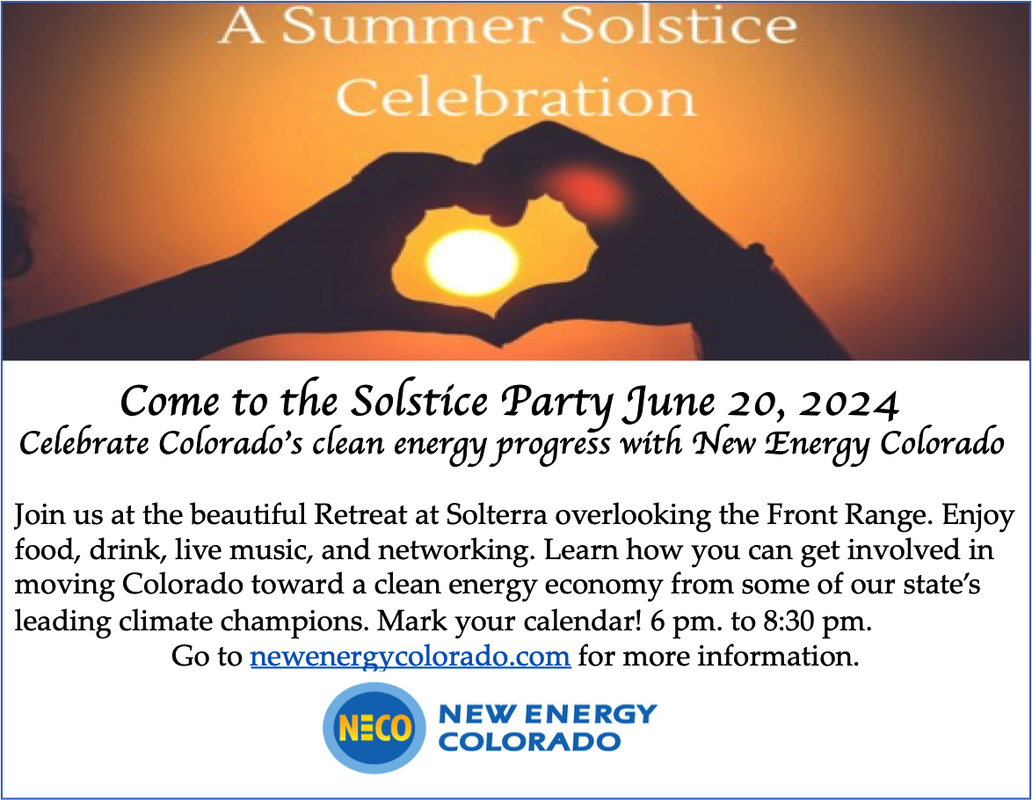
This September, communities across Colorado will come together to celebrate Sun Day. Sun Day is a global day of action on September 21, 2025, celebrating the power of clean energy. In some communities, people are organizing parades of EVs or e-bikes; across the world people are making sure that homes with solar panels light a green light. Together, we'll make the sun rise on a clean energy future. CRES and its chapters are proud to participate in Sun Day's inaugural year along so many other passionate nonprofits, companies, and individuals. Check out some of the Sun Day 2025 events we're participating in below, along with a current list of all Sun Day events happening in Colorado. You can find a full list of Sun Day events happening around the world here. Don't see any events in your area? Host your own event and show us how you celebrate clean energy! For example, you might host an EV test drive event or showcase local solar projects. Communities worldwise are celebrating with ribbon-cutting ceremonies, documentary viewings, green tours, informational sessions, solar picnics (think solar cookers), and more! The important thing is that we all mobilize and get the word out! CRES Sun Day 2025 EventsCelebrating Renewable Energy When: Saturday, September 20, from 10 AM to 2 PM Where: Colorado Springs The Colorado Springs Sun Day 2025 Event will take place in downtown Colorado Springs! The event is part of a nationwide coalition effort to educate the public about renewable energy, highlight its benefits, and inspire community support. The event will be hosted at Poor Richard’s (324 1/2 North Tejon Street, Colorado Springs). Attendees will be able to visit information tables staffed by several local and regional organizations dedicated to advancing renewable energy and sustainability. Meet with members of SECRES, Colorado 350, Third Act, Colorado Climate Advocates, Citizens Climate Lobby, and more to learn how we can grow the Pikes Peak Climate Community and be more effective advocates for a clean energy transition away from fossil fuels. Special thanks to Richard Skorman and the Poor Richards Downtown team for hosting! SECRES will have a table at the event. Stop by and say hello! Learn More "Why Solar Gives Civilization a Fresh Chance" featuring Bill McKibben & Keith Emery When: Sunday, September 21, from 6 - 8 PM Where: Golden Climate author and co-founder of 350.org Bill McKibben has good news for once. His new book, “Here Comes the Sun,” shows the magnitude and potential of the solar energy revolution that’s unfolding worldwide. This event will take place in Golden at the Jefferson Unitarian Church. After viewing a recent recording of Bill speaking to MSNBC’s Chris Hayes, we’ll hear from NREL solar pioneer Keith Emery, who will lead a discussion. Co-sponsored by CRES and Jefferson Unitarian's Green Task Force. Learn More MORE Sun Day 2025 Events Happening in ColoradoLucy Molina, Shake-Up Suncor When: Saturday, September 13, from 10 AM to 12 PM Where: Commerce City As part of the Sun Day Pre-activities, please join us in Commerce City on Saturday, September 13, to help promote Environmental Justice for those living in the shadows of the Suncor oil refinery. We will meet at 10 AM with Lucy Molina and other local activists who have long been fighting against the pollution caused by the Suncor oil refinery and what Lucy calls Environmental Racism. Learn More Fossil Free Your Life Home Tour When: Sunday, September 14, from 3 - 5 PM Where: Boulder Don't miss an in-person tour of 350 Colorado Executive Director Micah Parkin's home! Check out the improvements her family has made to reduce their reliance on fossil fuels, including solar PV, solar hot water, a ground-source heat pump, electric vehicles, a level 2 charger, water catchment, greenhouse, chicken coop, perennial edible landscaping, and gardens! Learn More See the EQUINOX Light! Denver When: Monday, September 15, from 12 - 1:30 PM Where: Denver Four times each year, the Solstice Window sunlight feature at First Universalist Church of Denver appears in its sanctuary. In coordination with Third Act’s September 21 Sun Day Denver event, you can join others to see the Equinox Light. You will also get a tour of the ambitious Net-Zero design with geothermal and solar-powered building systems in its major renovation in 2018. Learn More 4CORE's Beyond Solar Tour and Gathering When: Sunday, September 21, from 10 AM to 7 PM Where: Durango Join 4CORE for a two-part celebration of innovation and community-powered climate action. First, tour various homes & businesses throughout Durango as part of the Beyond Solar Guided Tour, including a special opportunity to tour Project SunShare homes. After that, get inspired at the Beyond Solar Gathering—an evening of tapas, drinks, live music provided by Pete Giuliani, and powerful storytelling. Learn More The History of Solar Power in Carbondale, Colorado When: Sunday, September 21, from 11 AM to 1 PM Where: Carbondale Learn More Sun Day on Aspen Mountain When: Sunday, September 21, at 11 AM Where: Aspen Join the Aspen One team, professional skiers and snowboarders, Holy Cross Energy, local politicians, environmental nonprofits, and community members to celebrate Aspen's commitment to clean energy and support this growing national movement. Learn More Grand Valley Sun Day When: Sunday, September 21, from 11 AM to 2 PM Where: Grand Junction Celebrate in Grand Junction with games, solar demonstrations, kids' crafts, educational displays, and more! Learn More Sun Day Bike Ride and Picnic When: Sunday, September 21, from 12 - 1 PM Where: Buena Vista Bring your own bike and lunch. Learn More SUN Day in Telluride When: Sunday, September 21, from 12 - 4 PM Where: Telluride Residents of Telluride will proudly carry signs down Main Street, followed by a parade of e-bikers and all manner of electric cars to celebrate solar and wind power for Sun Day 2025. Test drives will be available. Learn More Northern Colorado Climate Meetup When: Sunday, September 21, from 12 - 5 PM Where: Loveland The Northern Colorado Climate Meetup returns and happens to align with the Sun Day celebrations. Join your fellow NoCo Climate Activists for an afternoon of networking and education! Learn More Lake County Community Solar Garden Sun Day When: Sunday, September 21, from 1 - 2 PM Where: Leadville Celebrate the power of solar energy with Cloud City Conservation Center, get a tour of the Lake County Community Solar Garden and learn about rebates for energy efficiency upgrades for your home! Learn More Denver Sun Day - Celebrating the Power of Clean Energy When: Sunday, September 21, from 1 - 4 PM Where: Denver Join Third Act Colorado for a day of celebration of clean energy at City Park Esplanade in Denver! There will be solar demonstrations, guest speakers and presentations, live music, fun educational activities, a costume contest, games, a mini electric house on wheels, community tables, and more! Learn More Ridgway Sun Day - Rise Up Ride and Shine When: Sunday, September 21, from 4 - 6 PM Where: Telluride Celebrate SunDay with us in Ridgway on the Equinox - September 21st! We’ll gather at the EV charging station at the Secondary School to kick off a fun human-powered and EV ride around town together on E-bikes, OneWheels, E-motorcycles, bikes, skateboards, or EVs. We’ll stop at the Space to Create building to check out our town’s 1st solar micro-grid and onward to the Floating Lotus Brewery to toast the unlimited potential of our Sun with a beverage or NA drink compliments of Protect Our Winters. Learn More
2 Comments
CRES and its longtime members mourn the loss of solar education pioneer Johnny Weiss, cofounder of Solar Energy International (SEI) in Paonia, Colorado. Johnny was a leader not only in solar electric systems in the 80’s and 90’s, but for over 40 years blazed a shining path in the sustainable technology training realm, co-founding SEI in 1991 and serving as its executive Director for over 20 years. As the solar industry grew, at campuses in Carbondale, CO, Paonia, and online, SEI trained over 100,000 people who flocked from across the country and around the world to train at their unique outdoor workshop with a stunning view of local peaks. Johnny’s progressive ideals contributed to the organization's remarkable success: wholehearted support of anyone interested in solar and sustainable practices, a deep belief in social and energy justice, and a love for connecting people of like mind and spirit, bringing them together in many professional and social venues. While much of SEI’s curriculum, in person and online, is structured to provide training and employment in the domestic PV industry, Johnny's first passion, as embodied in SEI's last name, was solar in developing countries. Feeling solar technology and sustainable practices offered the largest gains for people without reliable access to electricity, Johnny dedicated a large part of his life and energy to programs supporting solar NGOs around the world. He forged effective relationships in Tanzania, oversaw SEI’s expansion in Central America, and consulted on projects on almost every continent. He was also a key advisor to We Care Solar, which places small PV systems in overseas rural maternity clinics, and We Share Solar, locating the same systems in rural schools. Recognizing the urgent needs of underserved Native Americans, Johnny collaborated with Native Energy, a Navajo/Dine owned nonprofit in Arizona, the Fort Collins based Trees, Water and People, and Red Cloud Renewables, of Pine Ridge, SD. Johnny and Henry Red Cloud had a long and productive collaboration called T4: Tribal Train The Trainers, enabling Native Americans to establish their own energy and economic independence. As a long time member of CRES, ASES, and ISES, Johnny was always a lively presence and participant in various conferences- leading sessions, staffing the SEI booth at trade shows, and bringing his infectious humor and positivity to every public and private event.
In the last year, battling a rare form of bone marrow cancer, Johnny stepped up his international solar advocacy, helping SEI enlarge its worldwide solar and sustainability program, now called the "Johnny Weiss Solar Energy Access for All Initiative". Those courses will be free on SEI's website to enable broad access to appropriate technology for anyone wishing to solarize their home or village, and include expert lectures on resources such as micro hydro and small wind, among other sustainable practices appropriate to developing countries. Johnny is survived by his two brothers, Abbott and Robert in Massachusetts; sons Zach and Alex; and former wife Caryn McVoy, all of Paonia. A joyous celebration of his life was held on August 16 at the SEI campus by over 200 of his friends, colleagues, and students to offer a final goodbye and thanks. Most importantly, Johnny's spirit survives every day in the meaningful courses and inspiration of students, trainers, and staff of Solar Energy International, and all who came in contact with his indefatigable energy and perpetual optimism that renewable energy and sustainable practices can improve human lives around the world. He left a unique and wonderful legacy to the solar industry and will be greatly missed. ~Dave Bowden CRES 2004 President By: Sabir Ali Kalhoro, SECRES
As global population growth continues, so does the pressure on existing energy infrastructure. The rising demand for electricity, coupled with heavy reliance on fossil fuels, has led to growing economic and environmental challenges, widening the gap between energy supply and demand. In response to these challenges, microgrids are emerging as a sustainable and reliable energy solution. A microgrid is a localized energy system that can operate independently (in islanded mode) or remain connected to the main grid, providing flexibility and resilience in energy management. These small-scale, self-contained networks integrate renewable energy sources such as solar and wind with dispatchable generation units and battery storage systems. Microgrids hold great promise to serve as a viable energy source. Moreover, they are poised to create great revenue to support the power sector. However, integrating variable renewable energy resources like solar and wind presents unique challenges in a microgrid. Their intermittent nature, influenced by unpredictable weather patterns, requires fast and efficient backup systems to maintain energy stability during periods of shortfall. Additionally, due to the scalability of microgrids, the use of control mechanisms to manage generation and load across various applications has become increasingly popular. Hence, it is essential to make an Electronic Control System (ECS) that manages and controls generation and load simultaneously, along with a continuous supply of power. To address these needs, this research at SECRES proposes a novel ECS model designed for both grid-connected and islanded microgrids. The ECS continuously monitors real-time parameters such as voltage, current, and power and manages transitions between energy sources based on availability and load requirements. The proposed ECS ensures an uninterrupted electricity supply by maintaining a precise balance between generation and consumption, as illustrated in Figure 1. In conclusion, integrated within the microgrid framework, the ECS enhances system resilience, reduces emissions, and supports the global transition to sustainable energy. By minimizing supply–demand mismatch, it improves energy output, operational stability, and efficiency, particularly in small-scale applications. Beginning in October 2025, the default rate for Xcel residential customers will be changing to simplify the existing schedule and better indicate the hours when power is expensive to produce. This indicates to customer how to save money and reduce the need to build more of the most expensive “peaker” power plants.
Most customer are currently on a rate where electricity is more expensive from 1PM to 7PM on weekdays. The new rates will be highest from 5PM to 9PM on weekdays. This expands the low rate to cover 89% of the total hours in the year with the higher rate 11% of all hours. New TOU Times:
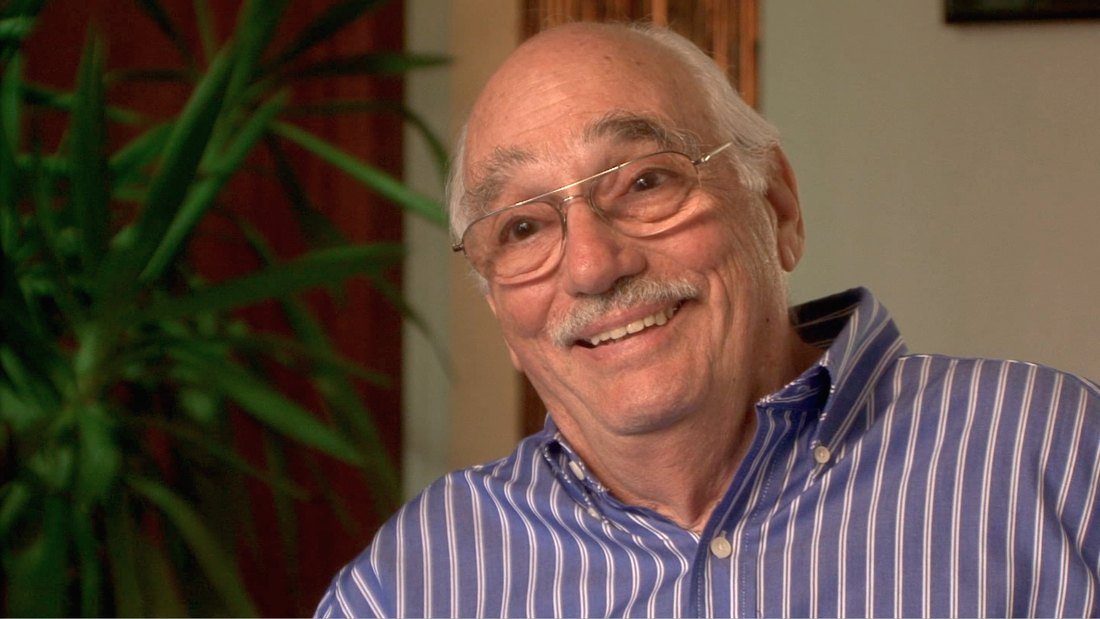
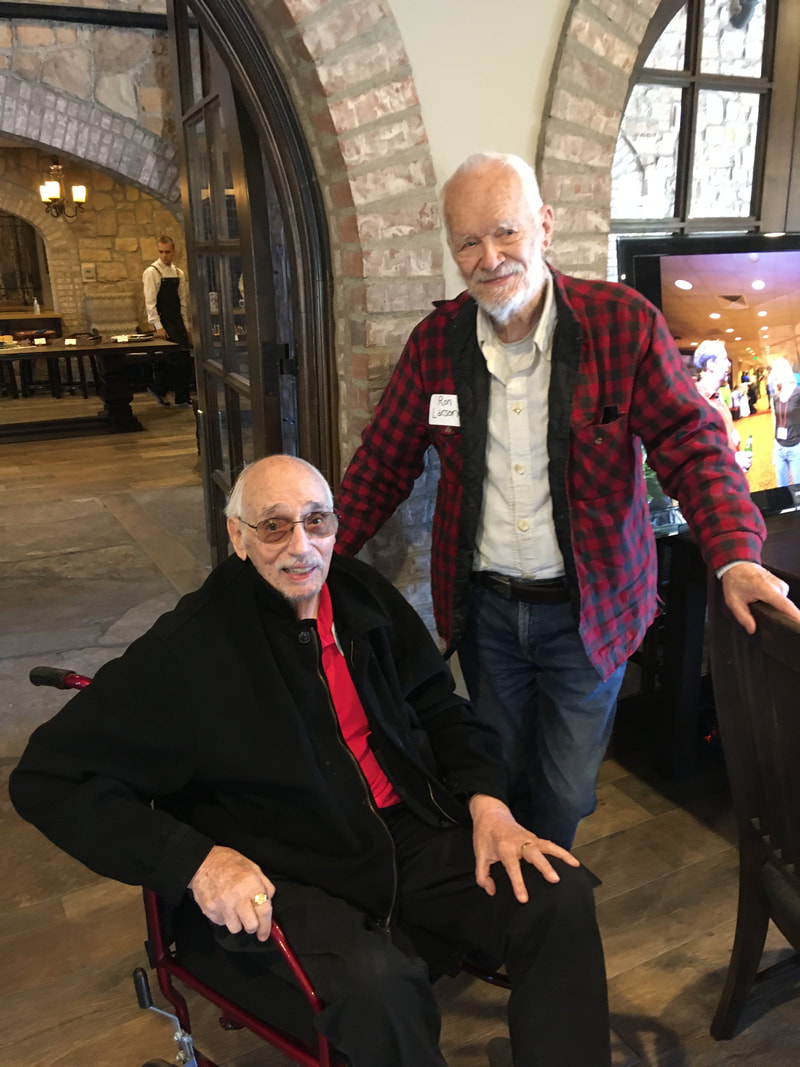
In the decision, the Public Utility Commissioners stated: “We conclude that the purpose of TOU rates as the default rates for electric utility service is to provide an opportunity for customers who can change their behavior in ways that benefit the system to do so and lower their rates and to limit future infrastructure expenses on the system, as well as their resulting rate increases, through this customer involvement.” CRES was a formal participant in these proceedings and focused on advocating in favor of schedules that meet the goal of reducing power use at the most expensive times but also maximize the efficient use of clean, renewable energy. The argument was to have a low rate during daytime when there is often excess renewable power on the grid that can be used. This would complement the message for when to reduce power by also saying when power is least expensive and cleanest. This goal was also pursued by the Colorado Solar and Storage Association and Western Resource Advocates in this case. While the commissioners chose the simpler plan with low rates from 9 PM to 5 PM the next day (on weekdays), CRES is satisfied that the twenty low-cost hours per weekday include the cleanest hours on the grid, 8 AM-4 PM, allowing customers with a preference for clean energy to also save money at the same time. The rates are designed to lower customer bills in three ways. First, anyone who can shift some power use out of the peak hours during weekdays to the lower-cost hours will see a lower bill that month. When this results in less total residential power use at peak times, the cost of providing power to the residential customers drops for every residential customer. In the longer term, residential customers will pay a smaller fraction of the cost of providing energy relative to commercial and industrial customers by using less power during peak hours, and fewer of the most expensive peaker power plants will need to be approved and built. These last two factors lower the cost of power for all residential customers, whether individual households can change their hourly power-use schedule or not. Customers can opt out to a “flat rate” that is the same during all hours. However, the TOU rate is lower than the flat rate 89% of all hours and higher only 11% of the time. The PUC ruling specified that there will be a tool that customers can use to see which rate makes the most sense and what actions might result in lower bills. Customers with EVs will save money on this TOU rate by charging the EV outside of the peak hours on the lowest-cost rate. Observations of data from residential customers indicate that those with heat pumps for space heating also save money on the TOU rates. In the proceeding, calculations showed that a majority of all residential customers, including those with lower incomes, will save money on the new rate schedule with their historical power use, but will also have the opportunity to lower costs if shifting any power use outside of the identified peak hours is possible. CRES recommends that members shift power use into the daytime hours whenever possible. Power use during daytime is now 60% renewable (8 AM-3 PM) due to the extensive PV that was installed in 2023 from the Xcel resource plan approved in 2018. This compares to the power that is about 40% renewable during low-cost hours at night. A more sophisticated optimization will be possible soon. In another proceeding, the Transportation Electrification Proceeding, the commissioners ruled that Xcel should provide the day-ahead and week-ahead predictions for hourly renewable energy on a public website. This will allow people (or automation) to shift power use to windy hours of the night and avoid the calm hours when power is provided primarily by fossil fuel. This is also scheduled to roll out in the 3rd quarter of 2025. These day-ahead predictions could enable EV charging from the grid that is 90% renewable by charging during the best hours today or tomorrow, once this is known in advance. For more information, contact: Ron Sinton ([email protected]) Vince Calvano ([email protected]) Or: https://puc.colorado.gov/time-of-use-rates It is with both sadness and gratitude that the CRES community bids farewell to Paul Notari, who co-founded CRES along with Ron Larson in 1996. In addition to being instrumental in the creation of CRES, Paul managed the CRES newsletter and communications through 2010, helping spread the word on events and renewable energy and sparking support for our early policy initiatives.
Before CRES, Paul served as the Director of the Technical Information Branch for the Solar Energy Research Institute (SERI) until his retirement in 1992. SERI eventually transformed into the National Renewable Energy Laboratory (NREL) we know today. Paul’s accomplishments included the creation of the Solar Technical Information Program (STIP) as well as publishing textbooks and technical documents on solar, wind, biofuels, and other renewable and efficiency technologies that helped spur the clean energy transition. He also testified in support of renewable energy funding to Congress and met with many dignitaries in the US and internationally in support of renewable energy. He also served on the board of the American Solar Energy Society (ASES,) serving as Chair of the board and proving instrumental in the launching of ASES’s SOLAR TODAY magazine. It was at that time that Larry Sherwood, the new Executive Director of ASES, first met Paul. Larry remarked how Paul's enthusiastic support was “a big reason that ASES survived and thrived during those lean years….In my later years at ASES, Paul and Ron Larson approached me about creating an ASES chapter in Colorado. We worked together to put the structure in place that led to the creation of the Colorado Renewable Energy Society. As with his ASES work, Paul dived in and worked with others to create a successful CRES” Dave Bowden shares, “Paul sat down for a video interview with me in April 2011 for our "CRES: Fifteen Years of Empowering Leadership” documentary. As our conversation evolved, I became more and more impressed by his deep and long commitment to clean energy. He deserves enormous credit for his countless hours of volunteer time as the publisher and writer of CRES News, which was a key element in forging a cohesive membership and successful events over the years" Other former CRES colleagues shared Paul’s dedication to improving the world around him and his wonderful personality. Phil von Hake recalls Paul running the “Weighty Issues Palaver Society (WIPS)” lunches and their importance of bringing people together to share thoughts and ideas. Doug Seiter cherishes “the many memories, his brilliance, his quick wit, and his delightful laugh. Paul left a worthy legacy.” Paul was a true engine of change for the renewable energy movement. He helped connect, inspire, and give voice to the many incredible people that CRES has been blessed to have involved in our mission. We are truly grateful. Memorials may be sent to an organization of your choice or to the following in Memory of Paul Celestino Notari: Paul C. Notari Research Grant in Environmental Studies Futures Initiative at The Graduate Center-City University of New York (CUNY) https://www.gc.cuny.edu/giving/make-donation/futures-initiative Designation (pull-down menu selection: Paul C. Notari Research Fund) Colorado Renewable Energy Society (CRES) - https://www.cres-energy.org/donate.html American Solar Energy Society (ASES) - https://ases.site-ym.com/donations/ By Vince Calvano
The 2023 Legislative Session in Colorado ended earlier in May, and the CRES Policy Committee reviewed many renewable energy, energy efficiency, and related environmental bills that came out of this session. While the Policy Committee has worked directly with some legislators on renewable energy-related legislation, none of those bills came out this session, but we'll continue looking for more opportunities in the future. The majority of our work this session involved pouring over important bills, and CRES Policy sent out 3 action alerts and testified numerous times through written letters of support (or opposition) on many bills. Many different Policy members stepped up to help craft these letters once the Committee decided to support or oppose. The letters were both emailed to the bill sponsors, and the legislative hearing committee members, as well as filed as written testimony. The CRES Legislative Activities Tracker provides much more detail on all of the bills that the CRES Policy Committee reviewed this session. One of the more important bills that CRES weighed in on was, SB23-016: GHG Emissions Reduction Measures that updates CO GHG emissions reductions goals to 50% by 2030, 75% by 2040, and 100% by 2050, and requires PERA to publish a report on climate change-related investment risks. CRES Policy supported the bill, but asked for an amendment to Section 9 of the bill (was originally a different section number) regarding carbon sequestration and storage. This section allows the CO Oil and Gas Commission to regulate injection wells once it has studied the subject and held public hearings and puts financial assurance and other regulatory assurances in place. Another was HB23-1210, concerning funding carbon management projects in CO and the creation of a carbon management roadmap. CRES asked for action regarding amending the Roadmap provision to require a study of public health and safety considerations, including avoiding risks from exposure to carbon dioxide gas and induced siesmicity.. CRES also sent out an action alert on Senate Bill 23-198 regarding Clean Energy Plans. This bill passed and now requires that CO clean energy plans must reach interim targets to ensure reductions in GHGs are occurring at the needed levels. This bill will significantly increase the chances that CO's clean energy goals can actually be met. The CRES Policy Committee is also active before the CO Public Utilities Commission, and weighs in on other RE/EE policy-related matters throughout the state, such as sending in a letter to Holy Cross Energy regarding their new rate proposal/ change to net metering policy. CRES intervened in two Xcel Energy (aka PSCo) proceedings at the PUC. One was the latest PSCo Electric Resource Plan (21A-0141E) where CRES had 5 witnesses provide testimony on numerous aspects of the Electric Resource Plan. CRES also intervened in PSCo's latest Demand Side Management and Beneficial Electrification Strategic Issues Proceeding (22A-0309EG). CRES put forward two witnesses in this proceeding and the Commission is in the middle of deliberating a final decision on the matter (second deliberation meeting is scheduled for Friday, May 26th). After the oral deliberations, there will be a written order. Additional information: Our friends at Empower Our Future had a great legislative recap from a few CO legislators via zoom Check that out on YouTube. We were honored to be featured by journalist Allen Best and Big Pivots as part of their seven-part exploration of the history of CRES since our founding in 1996. Big Pivots® is an e-journal that chronicles the necessary transitions in energy, water, and other realms in Colorado and beyond in the Great Plains and Intermountain West.
Explore the early days of our organization by clicking the section links below and learn more about what we've been up to over the past 27 years! You can also read the full, combined article in Big Pivots 64. Individual Sections A History of CRES Part 1: A coming together of minds A History of CRES Part 2: Why Not Wind? A History of CRES Part 3: Voters Have Their Say A History of CRES Part 4: The Path to the Governor's Mansion A History of CRES Part 5: Growth, a Stumble, Then New Chapters A History of CRES Part 6: Influence in the Polis Years A History of CRES Part 7: Next Steps?
|
Archives
September 2025
Categories |


RSS Feed